

If you’re tired of dry turkey and want a holiday meal that actually wakes up your taste buds, you’re in the right spot. This Thanksgiving Garlic and Rosemary Pork Tenderloin is juicy, packed with flavor, and won’t keep you trapped in the kitchen all day.
Your crew probably won’t even miss the turkey once they get a bite of pork tenderloin cooked with fresh rosemary and a generous amount of garlic. It’s got that “something special” aroma that just fills up the whole house.
You don’t need chef-level skills or a cart full of groceries to pull this off. The ingredient list is short and sweet, so you can still squeeze in that post-dessert nap.
If you’re ready to shake up Thanksgiving and impress everyone (especially yourself), stick around for the details. This is one of those dishes that makes you look like you’ve been secretly practicing for years.
Contents
- 1 Equipment
- 2 Ingredients
- 3 Instructions
- 4 What You Need To Know
- 5 Frequently Asked Questions
- 5.1 How can I make sure my pork tenderloin isn’t as dry as my jokes?
- 5.2 What’s the secret to getting that perfect rosemary and garlic crust without burning down the kitchen?
- 5.3 Is it possible to substitute thyme for rosemary without ruining Thanksgiving dinner?
- 5.4 Can I pair my rosemary pork tenderloin with a balsamic glaze, or is that just showing off?
- 5.5 If I want to add a citrus twist, how much orange zest should I use without making it taste like a fruit salad?
- 5.6 What’s the best way to avoid turning my Italian pork tenderloin into a Roman ruin?
- 6 Author
Equipment
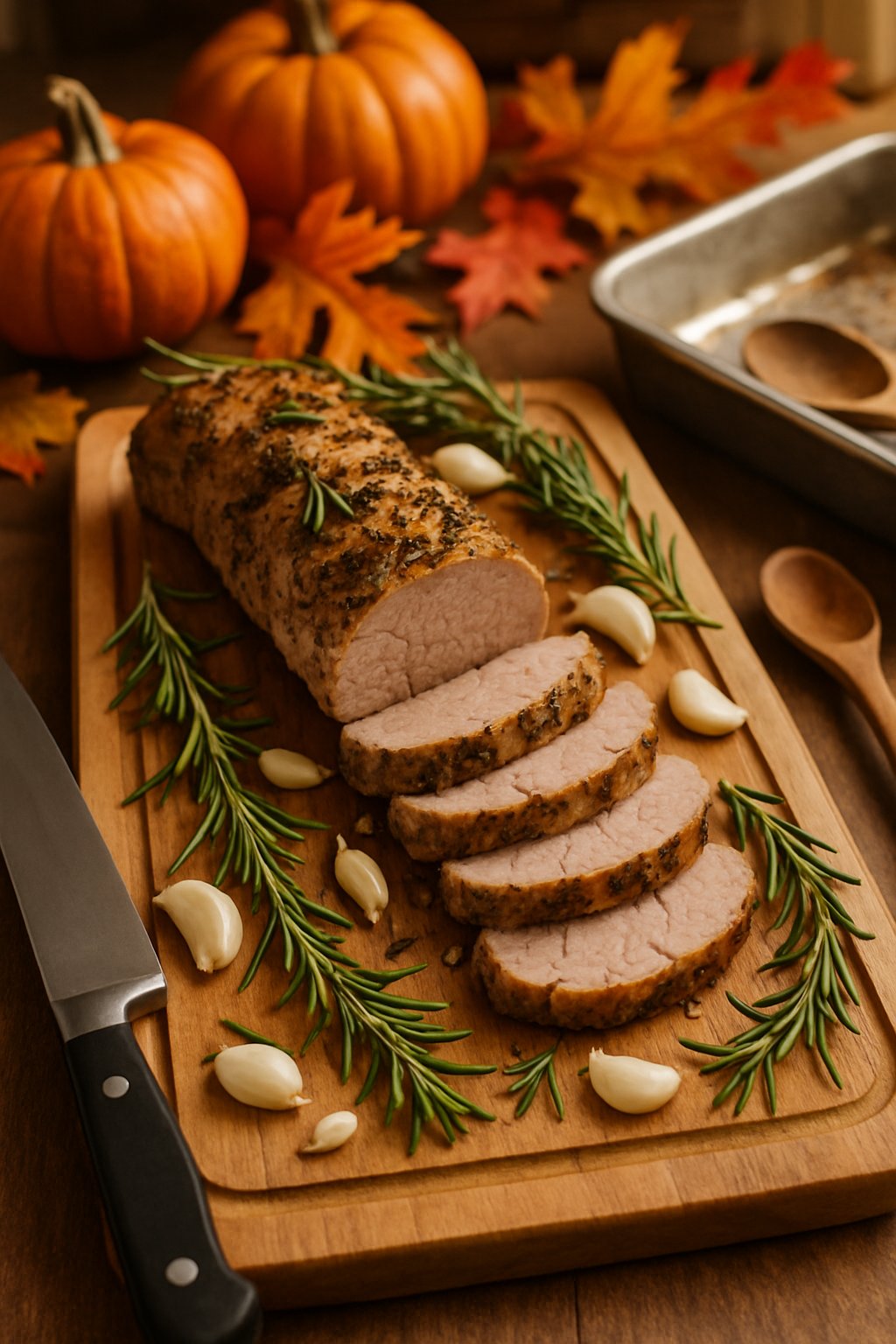
You don’t need to raid a restaurant supply store, but a few trusty tools make things easier. A sharp knife is a must—don’t let it get too close to your fingers, especially if you’re telling a story.
Grab a sturdy cutting board. Plastic or wood, just something that won’t slide away mid-chop. You’d be surprised how often dinner tries to escape.
A mixing bowl is handy for marinating. Go for one deep enough to keep the mess to a minimum.
You’ll want a roasting pan or a heavy oven-safe skillet for even cooking and to get that golden brown exterior. Bonus if your pan looks dramatic when you pull it from the oven.
Here’s a quick checklist for your Thanksgiving pork adventure:
| Tool | Why You Need It |
|---|---|
| Knife | Trimming and slicing |
| Cutting board | Safer slicing and less mess |
| Mixing bowl | Marinating magic |
| Roasting pan | Even cooking, juicy results |
| Tongs | Easy flipping, less finger burning |
| Meat thermometer | Prevents the “is it done?” panic |
| Aluminum foil | Keeps the pork cozy while resting |
Don’t forget tongs—they’re a lifesaver when handling hot pork. No one wants to play hot potato with dinner.
A meat thermometer is your friend. It takes the guesswork out and saves you from the dreaded overcooked roast.
And a little foil for resting your pork at the end. Think of it as a victory blanket for your hard work.
Ingredients
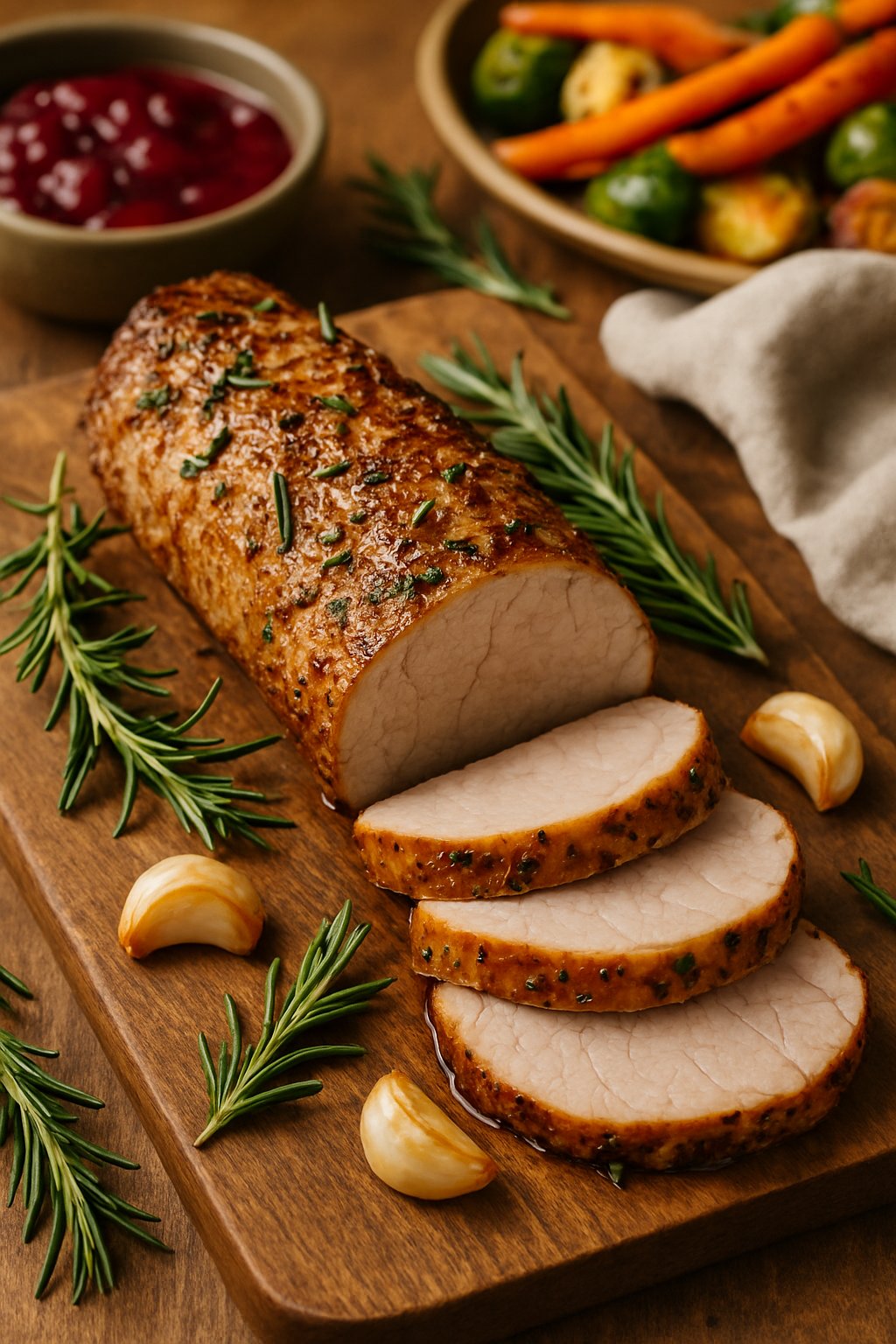
Ready to impress both the picky and easygoing relatives? Before you get started, gather these essentials:
Shopping List:
- Pork tenderloin: 1.5–2 pounds
- Fresh rosemary: 3 sprigs (chopped)
- Garlic cloves: 4 (minced; yes, real garlic—not the powdery stuff hiding in your pantry)
- Olive oil: 2 tablespoons
- Dijon mustard: 2 teaspoons
- Kosher salt: 1 teaspoon
- Black pepper: ½ teaspoon
No need to hunt down fancy ingredients. Most of this is probably already in your kitchen or easy to pick up at the store.
If you want a backup plan, check out a similar ingredient list at this garlic and rosemary pork tenderloin recipe.
Thanksgiving is about flavor, togetherness, and maybe convincing your family you’re a kitchen genius. Don’t stress the shopping.
Instructions
- First, preheat your oven to 400°F. It’s about to get busy in there.
- Pat the pork tenderloin dry with paper towels. You want it ready for the next step.
- Rub the pork with olive oil. Sprinkle on salt, pepper, chopped garlic, and rosemary, making sure it’s coated all over.
- Heat a large skillet over medium-high heat. Sear the pork on all sides until it’s lightly browned.
- If your skillet is oven-safe, keep going. If not, move the pork to a baking dish.
- Roast in the oven until the internal temperature hits 145°F—usually 20-25 minutes. Use that meat thermometer.
- Baste with pan juices halfway through for extra flavor and moisture.
- Let the pork rest for 5-10 minutes after baking. Slice, serve, and enjoy your moment.
For more tips, check out how others do it at recipes like this garlic and rosemary baked pork tenderloin.
What You Need To Know
Looking to make Thanksgiving a bit less predictable? This pork tenderloin brings big garlic and rosemary energy—basically, your kitchen will smell amazing. Who needs a scented candle when you’ve got dinner working overtime?
You don’t have to be a pro chef to pull this off. The process is simple: mix up your garlic and herbs, rub it all over the pork, sear for a golden crust, and finish in the oven until it’s just juicy enough. Let it rest before slicing—pretend you’re on a cooking show if you want. Why not?
If you want a little more guidance, there’s a solid rosemary and garlic pork tenderloin guide out there.
Pair this with whatever sides you love, from mashed potatoes to roasted veggies. It’s an easy way to serve something memorable and delicious—no turkey necessary.
Frequently Asked Questions
Perfect pork tenderloin isn’t rocket science, but it’s easy to overthink. Here are some answers so you can relax and maybe even enjoy the cooking part.
How can I make sure my pork tenderloin isn’t as dry as my jokes?
You want juicy, not jerky. Roast the pork until it hits 145°F, then let it rest under foil for 10 minutes. This helps keep the juices in and the complaints to a minimum.
Baste with pan juices or a bit of melted butter halfway through for extra insurance. Just don’t walk away and forget your timer.
What’s the secret to getting that perfect rosemary and garlic crust without burning down the kitchen?
Pat the pork dry and rub it well with olive oil, garlic, rosemary, salt, and pepper. Searing in a hot skillet helps build that golden crust. Move it to the oven to finish, and keep an eye on things—no one wants crispy curtains.
More tips for a delicious crust are over at this garlic rosemary pork tenderloin recipe.
Is it possible to substitute thyme for rosemary without ruining Thanksgiving dinner?
Absolutely. If you’re out of rosemary, thyme works as a backup. Use a little less since it’s milder, but your guests probably won’t notice—and you’ll still get compliments.
Can I pair my rosemary pork tenderloin with a balsamic glaze, or is that just showing off?
Go for it! A balsamic glaze brings out the best in the garlic and rosemary flavors. Just drizzle lightly—no need to drown your masterpiece. If someone teases you for being fancy, just grin and enjoy it.
Try this rosemary garlic pork tenderloin with balsamic vinegar for inspiration.
If I want to add a citrus twist, how much orange zest should I use without making it taste like a fruit salad?
Zest is strong stuff. Stick to about a teaspoon of finely grated orange zest per tenderloin. It’ll brighten the flavors without making things weird. Add it to your rub for a subtle kick.
What’s the best way to avoid turning my Italian pork tenderloin into a Roman ruin?
Don’t overcook it. Give the meat a chance to rest before slicing.
Grab a meat thermometer and keep things simple. Let the garlic and rosemary shine—no need to get fancy or overthink it.
Skip the urge to toss in a dozen extras, and you’ll sidestep pork chaos. Nobody wants disappointed diners at the table, right?
