
Leftover pork tenderloin is a meal-prep goldmine; lean, versatile, and fast to repurpose. The trick is keeping it tender and flavorful, whether you serve it cold, reheat it, or freeze it for later.
Use these simple, chef-tested tips to make the most of your leftover pork tenderloin without drying it out.
Contents
Keep the tenderloin whole until needed.
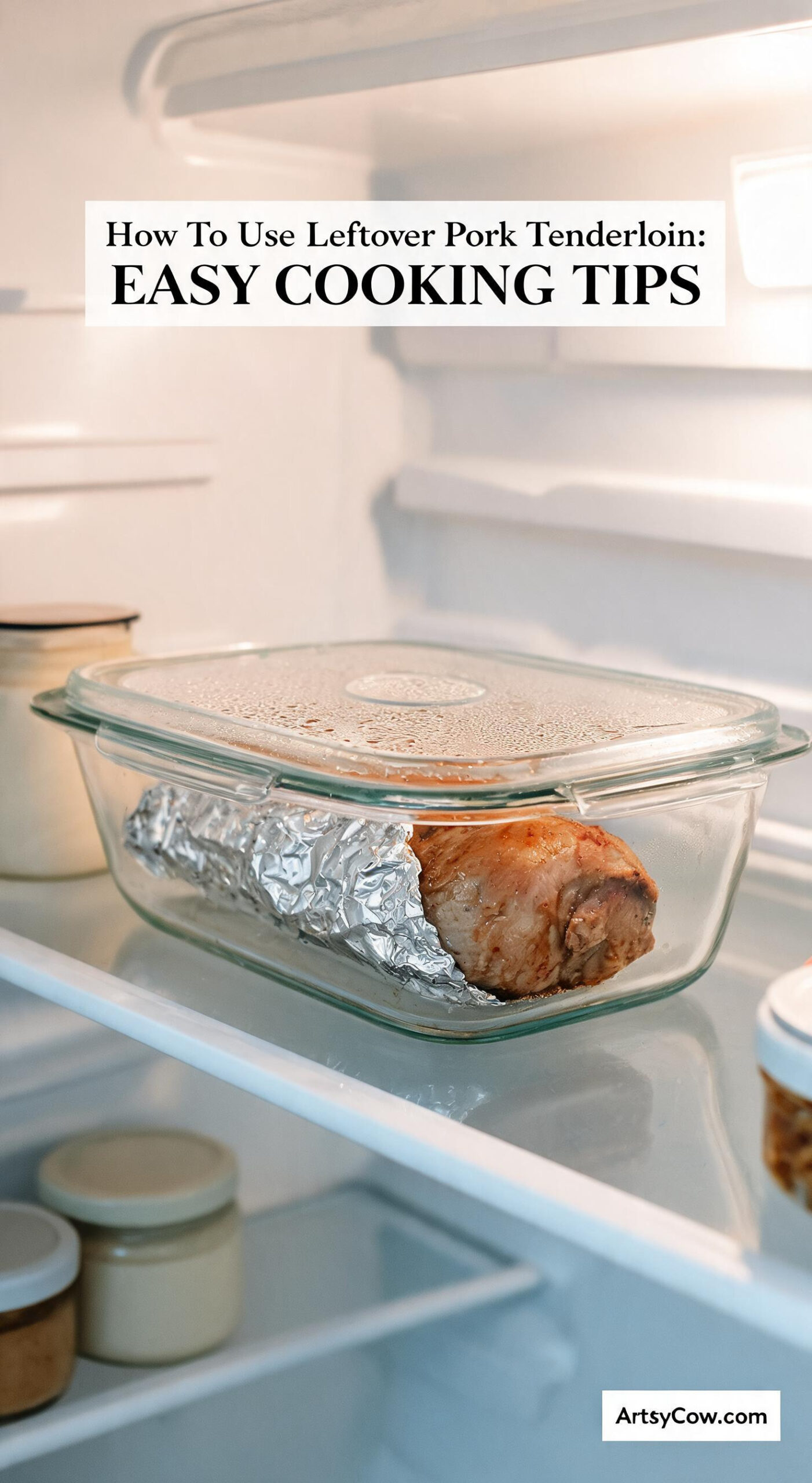
To keep your pork juicy and tender, store it as a whole piece. Less exposed surface area means less moisture loss and better texture.
Slice only what you plan to use right before serving. For best results, refrigerate within 2 hours of cooking.
Wrap tightly in foil or plastic wrap (adding any pan juices if you have them), then place it in an airtight container. Use refrigerated leftovers within 3–4 days.
When you’re ready to eat, slice against the grain into medallions or thin strips to keep each bite tender.
Use it cold when appropriate.
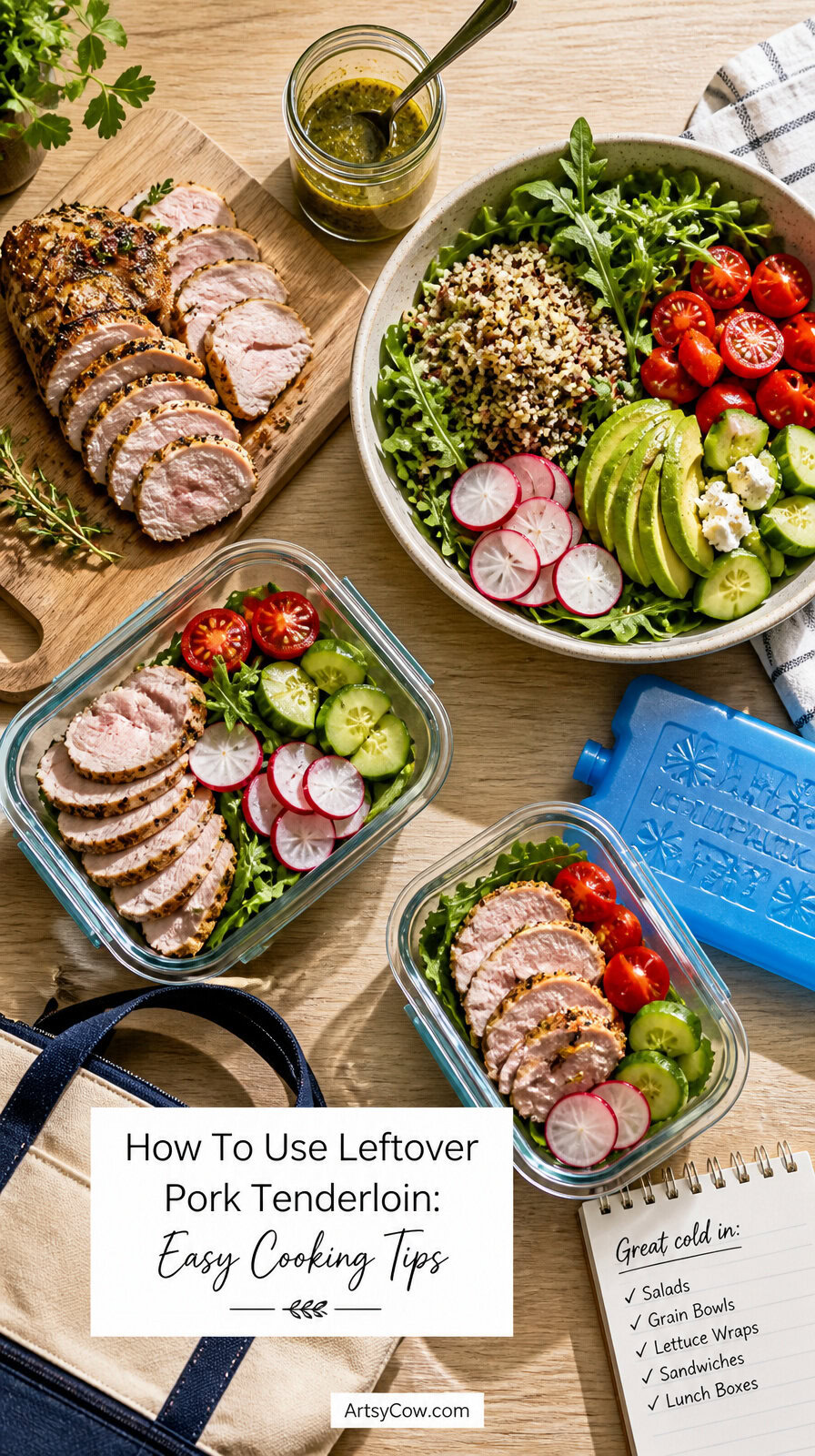
You don’t always need to reheat leftover pork tenderloin. It’s excellent chilled in salads, grain bowls, sandwiches, lettuce wraps, or packed lunches…
perfect for quick, high-protein meals. Because tenderloin is lean, pair it with something moist and flavorful: vinaigrettes, pesto, chimichurri, yogurt-based dressings, or a little mayo.
Thinly slice, toss with dressing while cold, and add crunchy veggies or grains for a complete bowl. Meal-prep tip: pack chilled portions in airtight containers with an ice pack if you’ll be out for a while.
Steam it gently with a covered pan.
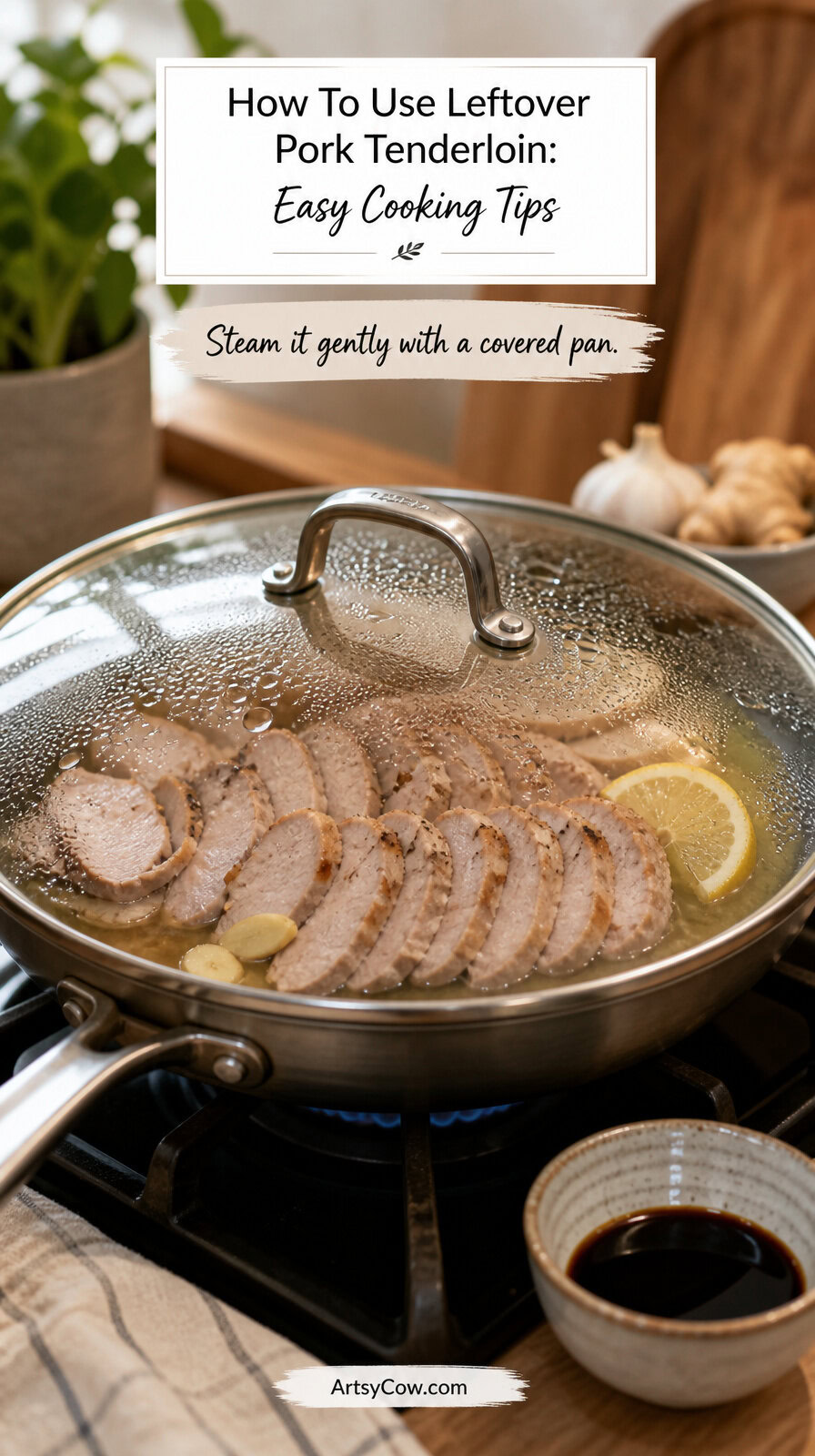
When reheating, think gentle and moist heat. Add 1–3 tablespoons of broth or water to a skillet, add the sliced pork in a single layer, cover, and warm over low heat.
The trapped steam protects its lean texture. Heat just until warmed through…
avoid simmering or boiling. For food safety, leftovers should reach an internal temperature of about 165°F (74°C).
Pull it as soon as it’s hot to prevent drying. Flavor boost: use chicken stock, a splash of soy or Worcestershire, or a squeeze of citrus.
Aromatics like garlic or ginger in the pan add quick depth.
Give it a quick finishing sear.
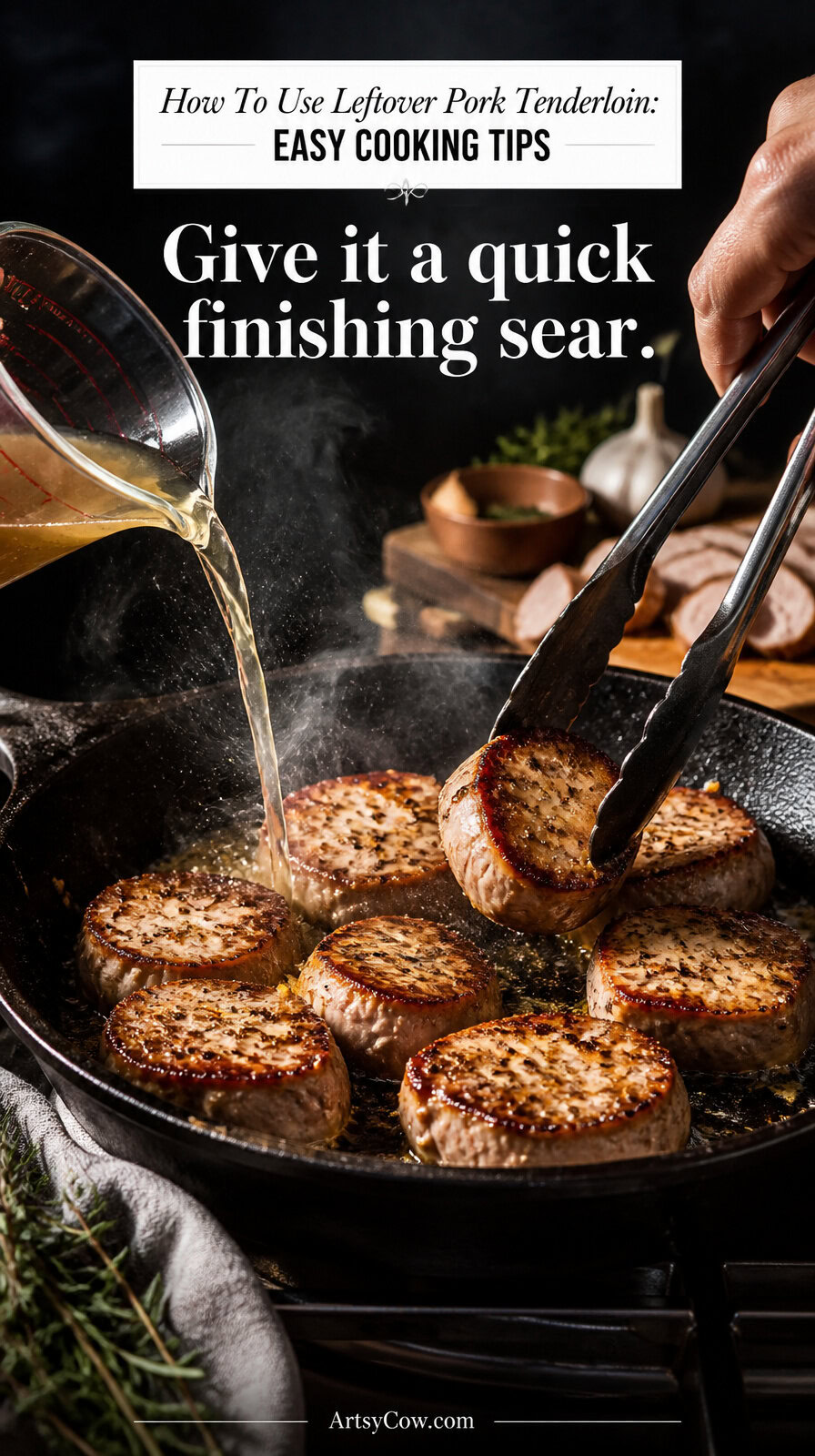
If you want browned edges without overcooking, first warm the pork gently (steaming or low oven), then sear briefly in a hot pan. This two-step approach keeps the center tender while adding flavor.
Pat the surface dry, heat a little high-smoke oil in a skillet (cast iron is ideal), and sear 30–60 seconds per side – just until caramelized. If you haven’t yet reached 165°F, the quick sear will finish the job.
Optional: deglaze the pan with broth, wine, or a splash of vinegar to create a fast pan sauce.
Freeze it in meal-sized portions.
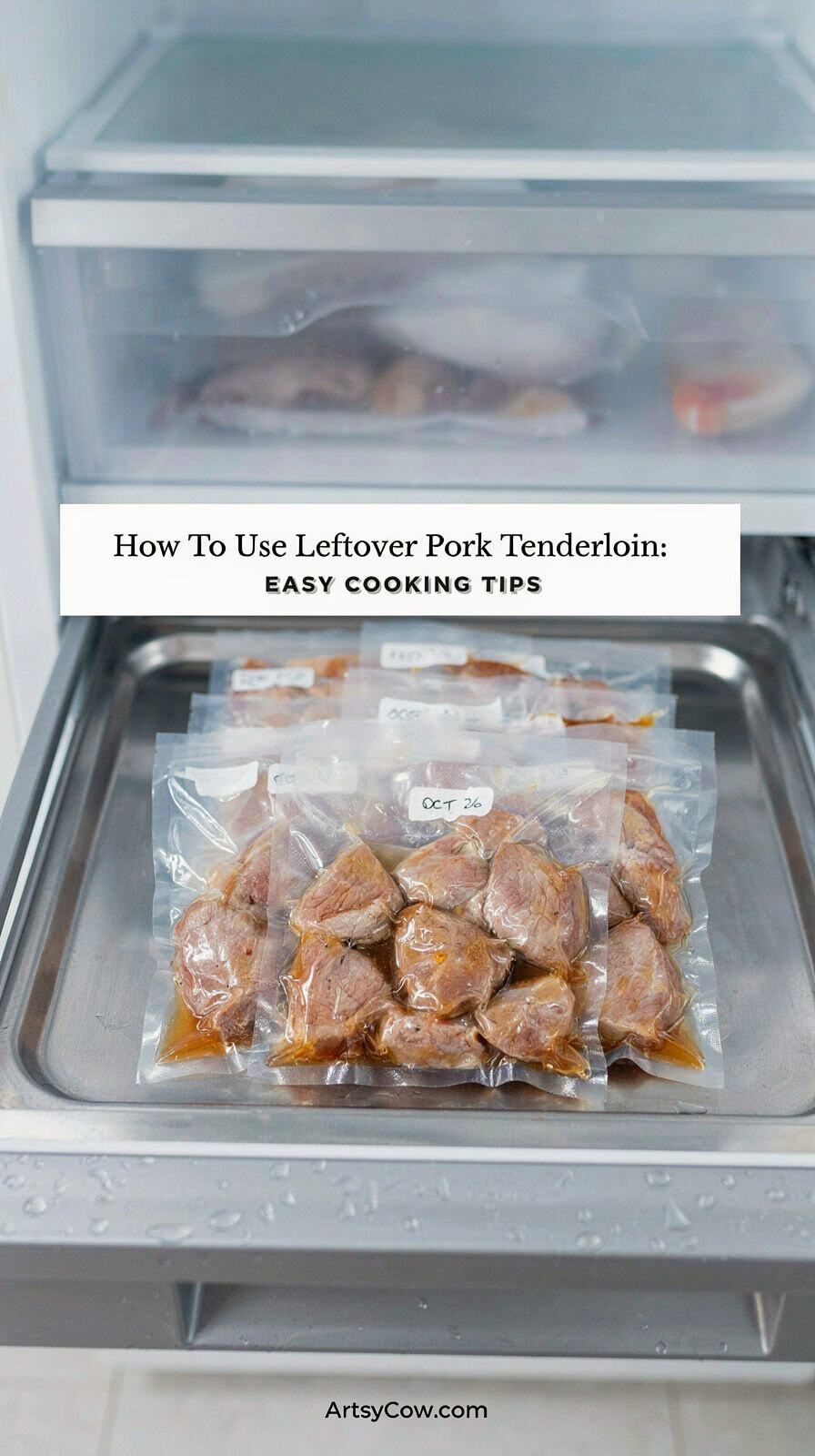
Portion your pork before freezing so you can thaw only what you need. Wrap tightly (or vacuum-seal) to keep air out, label with the date, and freeze.
For best quality, use within about 3 months. To thaw, place portions in the refrigerator overnight, or submerge a sealed bag in cold water, changing the water every 30 minutes until thawed.
Reheat gently to preserve texture. Avoid thawing at room temperature, and try not to refreeze repeatedly once thawed.
Pro tip: freeze with a little cooking liquid or sauce to lock in moisture.
Conclusion
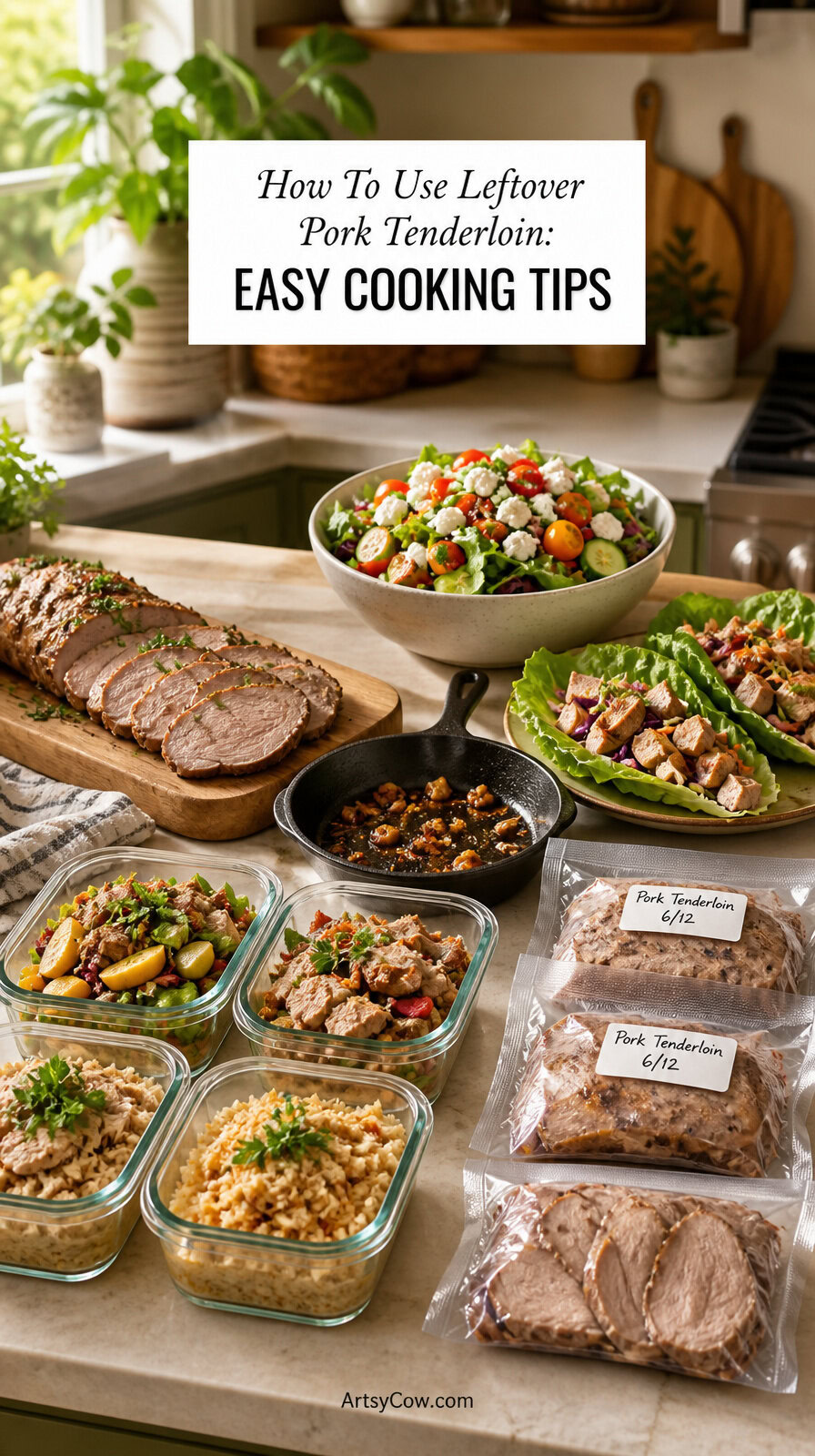
With a few smart moves; keep it whole, serve it cold when it fits, reheat gently with steam, add a quick sear for flavor, and freeze in ready-to-go portions; you’ll turn leftover pork tenderloin into fast, delicious meals all week. Handle it safely, season boldly, and enjoy tender results every time.
