

Thanksgiving’s sneaking up, and honestly, the turkey pressure is real. Maybe you’re not feeling the classic bird this year—why not shake things up?
This Thanksgiving Mustard and Herb Crusted Pork Tenderloin is bold, juicy, and surprisingly easy. It’s got all the holiday vibes, minus the marathon kitchen session.
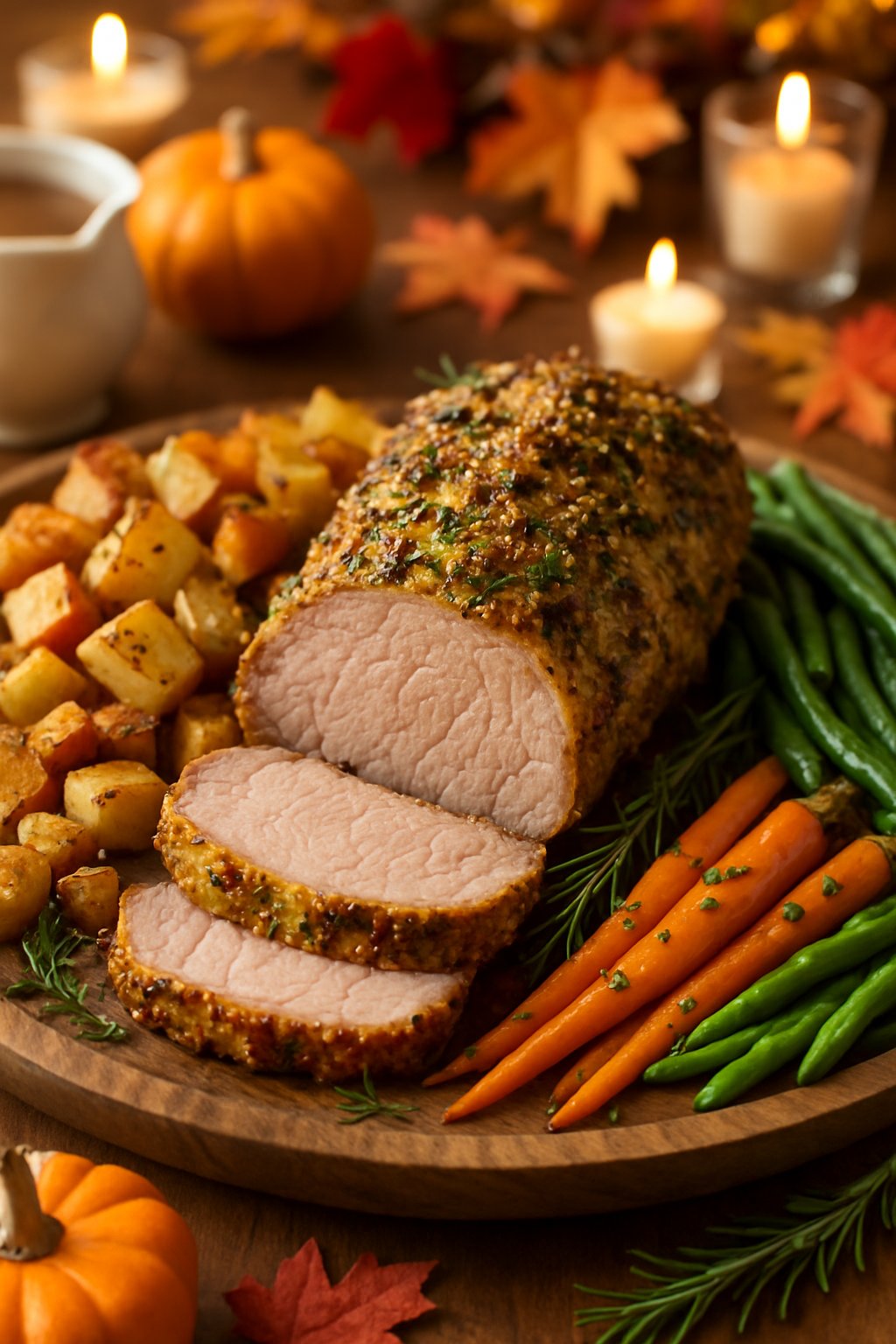
Imagine skipping hours of turkey babysitting and serving something that looks way fancier than it is. Nobody has to know how simple it actually was.
This pork tenderloin comes out with a golden, herby crust and a zing of mustard that’ll wake up the whole table. It’s colorful, festive, and honestly, a little bit of a flex.
Curious? Let’s get into it. From what gear you’ll need to how to pull off the perfect roast, we’ve got you covered.
Contents
- 1 Equipment
- 2 Ingredients
- 3 Instructions
- 4 What You Need To Know
- 5 Frequently Asked Questions
- 5.1 Can I swap the herbs in the recipe for whatever’s growing in my garden, or do I have to stick to the script?
- 5.2 What’s the secret to getting the perfect crust on the pork? I’m aiming for that applause-worthy crunch!
- 5.3 Is using panko breadcrumbs for the crust a culinary sin, or just an unexpected twist on tradition?
- 5.4 Is It Okay to Swap Dijon for Yellow Mustard?
- 5.5 What Sauce Actually Impresses In-Laws (or At Least Shuts Them Up)?
- 5.6 Does Anyone Really Trust the Cooking Times?
- 6 Author
Equipment
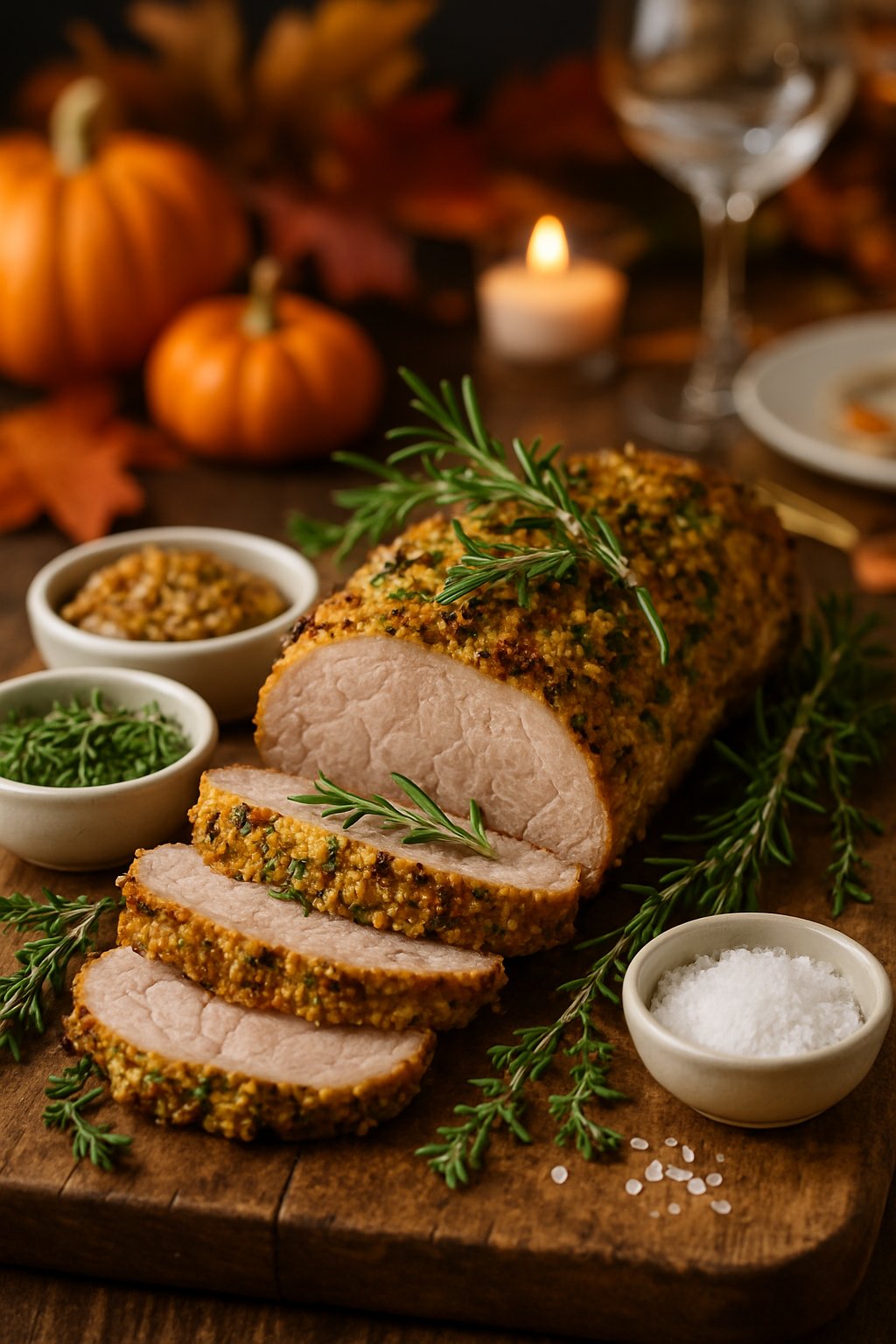
Before you get started, check your kitchen arsenal. The right tools make all the difference—nobody wants to wrestle a hot pork tenderloin barehanded.
Essential Equipment:
- Rimmed baking sheet or roasting pan
Nothing complicated. Just something to keep juices from escaping all over your oven. - Meat thermometer
Guesswork is fun until someone gets dry pork. - Mixing bowl
Big enough to get your hands in there. Forget dainty utensils for this one.
Other Helpful Items:
- Sharp knife for trimming
A dull knife is just a headache waiting to happen. - Cutting board
Whatever you’ve got—no judgment.
Optional, but Nice to Have:
| Item | Why It’s Useful |
|---|---|
| Kitchen twine | Keeps the pork looking tidy if it’s a little unruly |
| Tongs | Flip things without the stress |
| Oven mitts | Save your hands, seriously |
With these in your kitchen, you’re set up for a smooth, stress-free roast. Don’t overthink it—just have what makes the job easier.
Ingredients
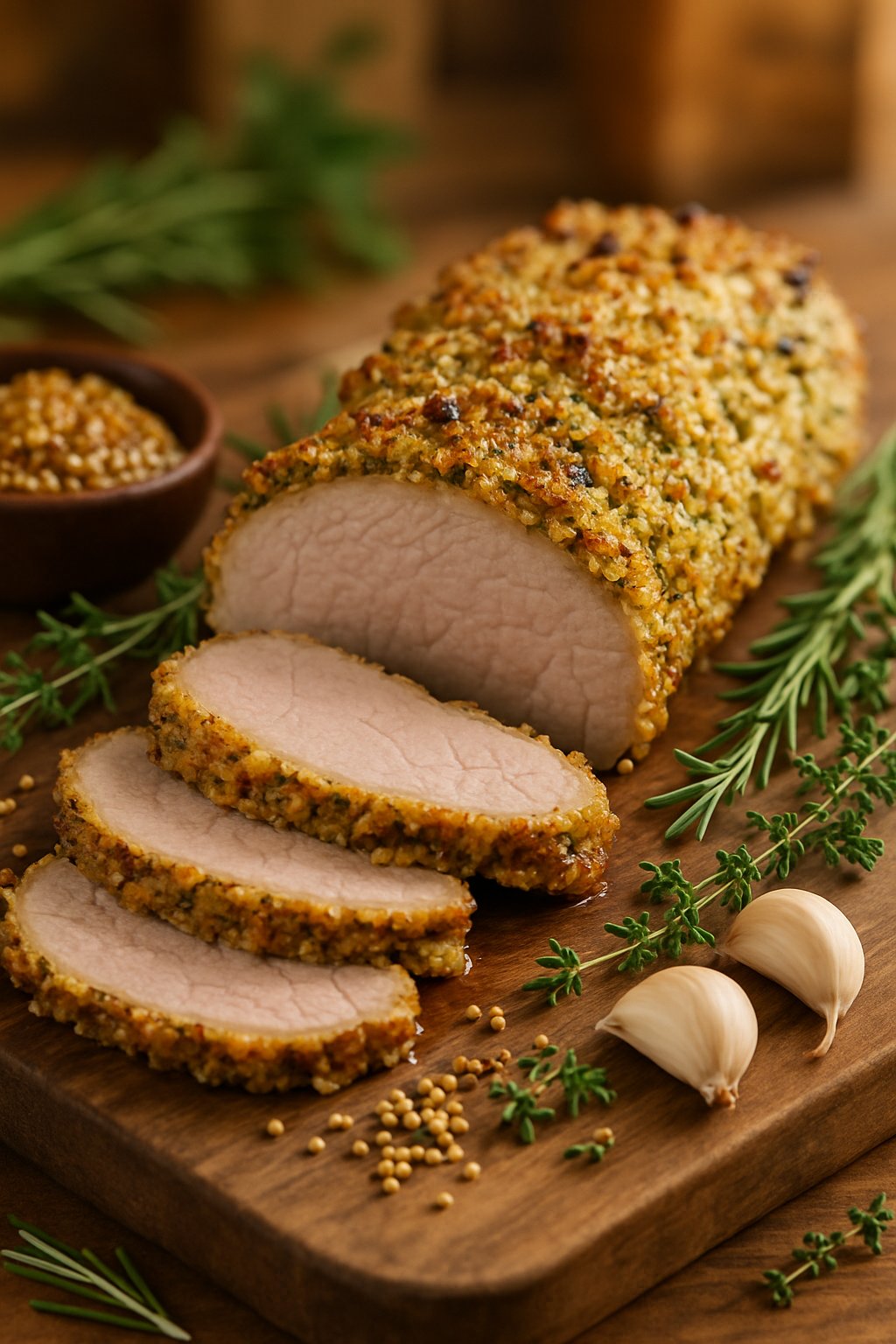
Take a minute to double-check your pantry. Missing one thing can throw off the whole groove.
Here’s what you’ll want nearby:
| Ingredient | Amount |
|---|---|
| Pork tenderloin | 1 pound |
| Dijon mustard | 2 tablespoons |
| Fresh rosemary | 1 tablespoon, chopped |
| Fresh thyme | 1 tablespoon, chopped |
| Garlic | 2 cloves, minced |
| Olive oil | 1 tablespoon |
| Salt | 1 teaspoon |
| Black pepper | 1/2 teaspoon |
| Panko breadcrumbs | 1/2 cup |
| Optional: honey | 1 teaspoon (for a touch of sweetness) |
Nothing wild here, unless you count “fresh” as fancy. If you’re staring at dried herbs, just use a teaspoon of each instead.
Honestly, lining up your ingredients feels weirdly satisfying. It’s your kitchen—do you.
Don’t sweat the honey. Skip or double the garlic if you want. This recipe’s pretty forgiving, and you can tweak it to fit your vibe.
Instructions
Clear off that counter. It’s pork tenderloin time, and you’ll want space to make a little mess.
- Preheat your oven to 400°F. If your oven’s moody, maybe cross your fingers.
- Pat the pork dry with paper towels. Think of it as prepping for its close-up.
- Coat the pork with Dijon mustard all over. Try not to snack on the mustard (but hey, no judgment).
- Rub in the fresh herbs. Treat it like a spa day for your roast.
- Season with salt and pepper—go for it, it’s Thanksgiving.
- Heat olive oil in a skillet on medium-high. Sear the pork until it’s got a golden crust on all sides.
- Move the pan to the oven, or transfer the pork to a baking dish if needed.
- Roast until a thermometer reads 145°F. Don’t wing it—check the temp.
- Let the pork rest for 5-10 minutes. Good time to “sample” whatever side dish is nearby.
- Slice into medallions, arrange on a platter, and admire your handiwork. You earned it.
Want more tips or a quick refresher? Check out this quick recipe.
What You Need To Know
Pork tenderloin for Thanksgiving? Love the bold move. Honestly, turkey feels a little played out sometimes.
This dish is a real crowd-pleaser, especially if you’re after something with big flavor and a little drama. The crust is where the magic happens—herbs and mustard make it pop, and the whole thing just feels special. It’s not fussy, but it looks like you tried way harder than you actually did.
Cooking pork tenderloin is forgiving, but don’t skip the thermometer. That’s the best way to get it juicy and not, well, sad. And hey, if your crust isn’t picture-perfect? Nobody cares after a glass of wine and a slice of pie.
Frequently Asked Questions
Got questions about mustard and herb crusted pork tenderloin? You’re not alone. Let’s tackle those little kitchen doubts.
Can I swap the herbs in the recipe for whatever’s growing in my garden, or do I have to stick to the script?
Absolutely swap them out—your garden’s fair game. Rosemary, thyme, oregano, basil, chives… go for it. Maybe skip the dandelions, though. The more personal, the better.
What’s the secret to getting the perfect crust on the pork? I’m aiming for that applause-worthy crunch!
Start with dry pork, then add your mustard and herbs. Sear it hot, then finish in the oven. Let it rest so the crust doesn’t fall off. It’s not rocket science, but it works—check out recipes like this for proof.
Panko’s a win. It makes the crust extra crunchy, and honestly, who doesn’t want that? No guilt, just good texture. Go for it if you like a little crunch in your life.
Is It Okay to Swap Dijon for Yellow Mustard?
Yellow mustard can step in if you’re out of Dijon. The taste is a bit sharper, maybe less refined, but honestly, it’s still good.
Your pork won’t know the difference. Dinner’s still got that “special” vibe, even if you used the classic yellow stuff from the fridge.
What Sauce Actually Impresses In-Laws (or At Least Shuts Them Up)?
Try a pan sauce made with wine and butter—it’s simple but feels fancy. Or, if you’re feeling bold, go for apple compote or tangy cranberry relish.
Those sauces balance out the savory herbs and make the whole plate feel a bit more impressive. Who knows, they might even ask for seconds.
Does Anyone Really Trust the Cooking Times?
Cooking times? They’re more like a loose suggestion. Every oven seems to have its own personality—some run hot, others just take their sweet time.
If you want to actually know what’s going on, grab a meat thermometer. Aim for 145°F in the thickest part.
Honestly, just poke that thermometer in and check. Don’t let anyone tell you they can sense when it’s done. That’s just guessing with extra steps.
