
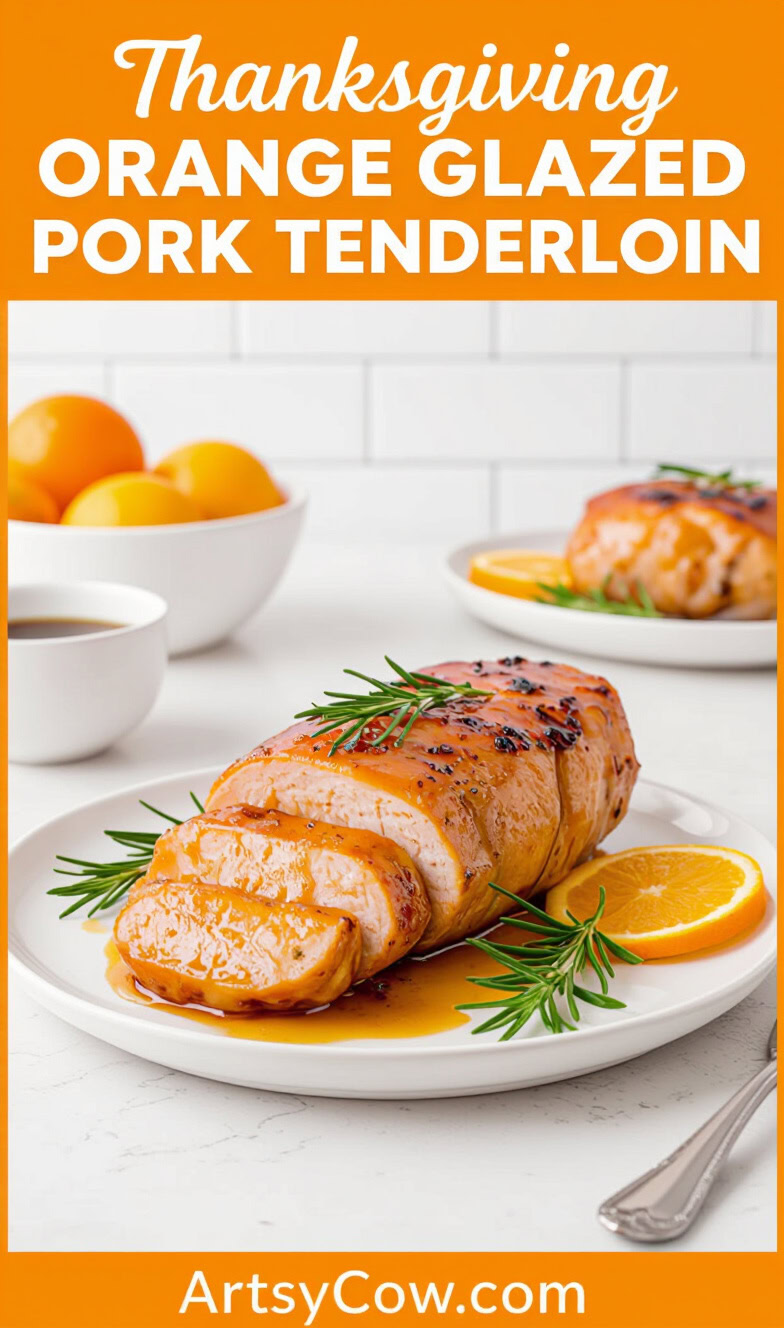
Step aside, turkey—this year, your Thanksgiving table could use a little extra zing. If you’re looking for something juicy, easy, and just a bit unexpected, this Orange Glazed Pork Tenderloin will steal the show faster than your aunt can ask when you’re getting married.
It’s sweet, tangy, and just fancy enough to convince your guests you spent hours in the kitchen (mic drop optional).
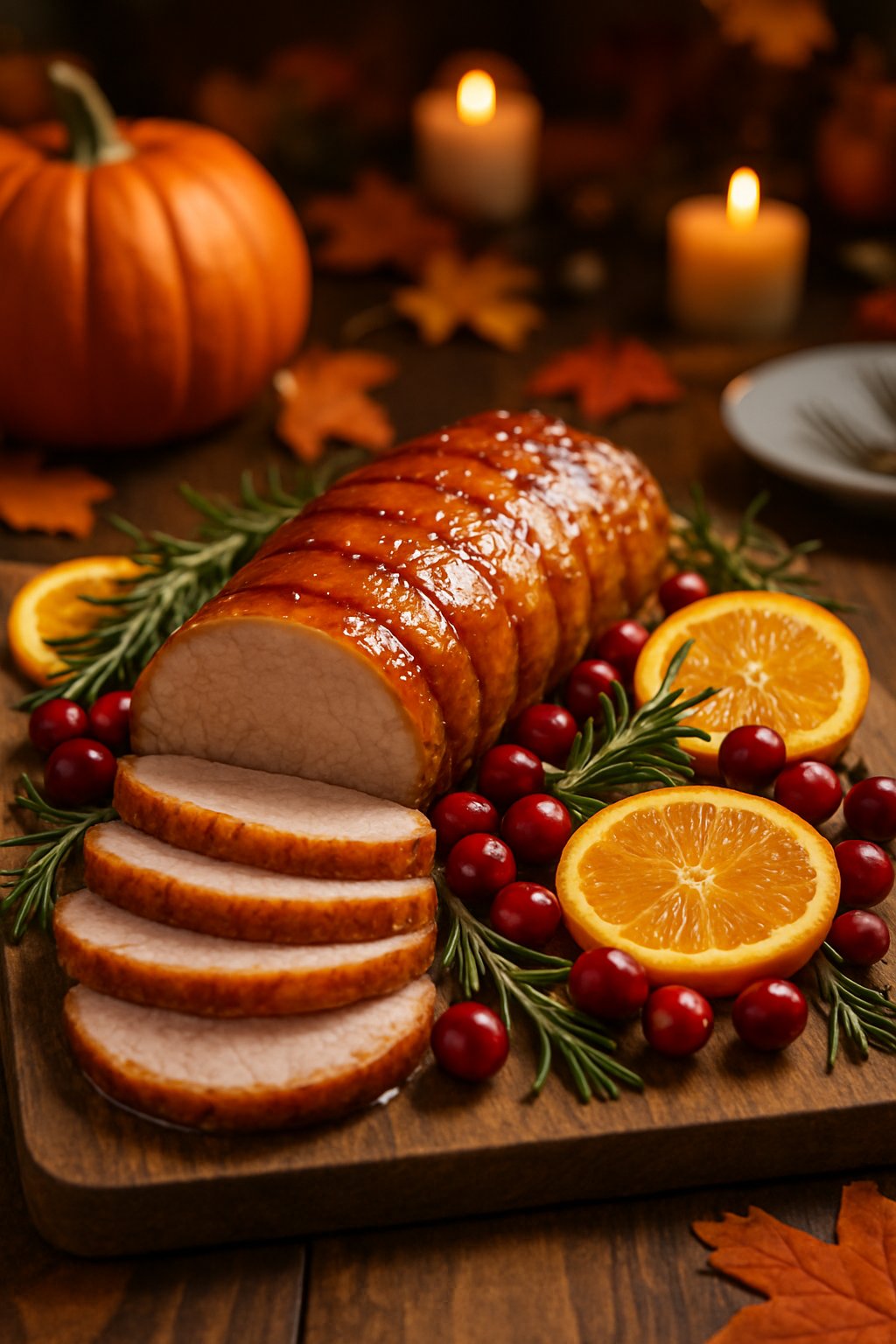
With simple ingredients and very little fuss, you’ll whip up a dish that’s equal parts impressive and delicious. The real secret? That shiny orange glaze practically glows with flavor and pairs perfectly with all your Thanksgiving sides.
Ready to shock everyone—including yourself—with how tasty pork tenderloin can be? Grab your apron and let’s make a Thanksgiving main dish that people will actually be talking about next year.
Contents
- 1 Equipment
- 2 Ingredients
- 3 Instructions
- 4 What You Need To Know
- 5 Frequently Asked Questions
- 5.1 What’s the secret to getting that perfect zesty orange glaze not to slide off the pork like a bad toupee?
- 5.2 At what temperature does the pork tenderloin throw in the towel and admit it’s done?
- 5.3 Can I make the orange glaze ahead of time, or is it a diva that demands a last-minute spotlight?
- 5.4 How do I dodge making my tenderloin as tough as a two-dollar steak?
- 5.5 What voodoo do I need to keep the herbs from clumping on the tenderloin like party guests around the guacamole?
- 5.6 Is it a culinary crime to pair this dish with a wine that doesn’t have a hint of orange whisper in it?
- 6 Author
Equipment
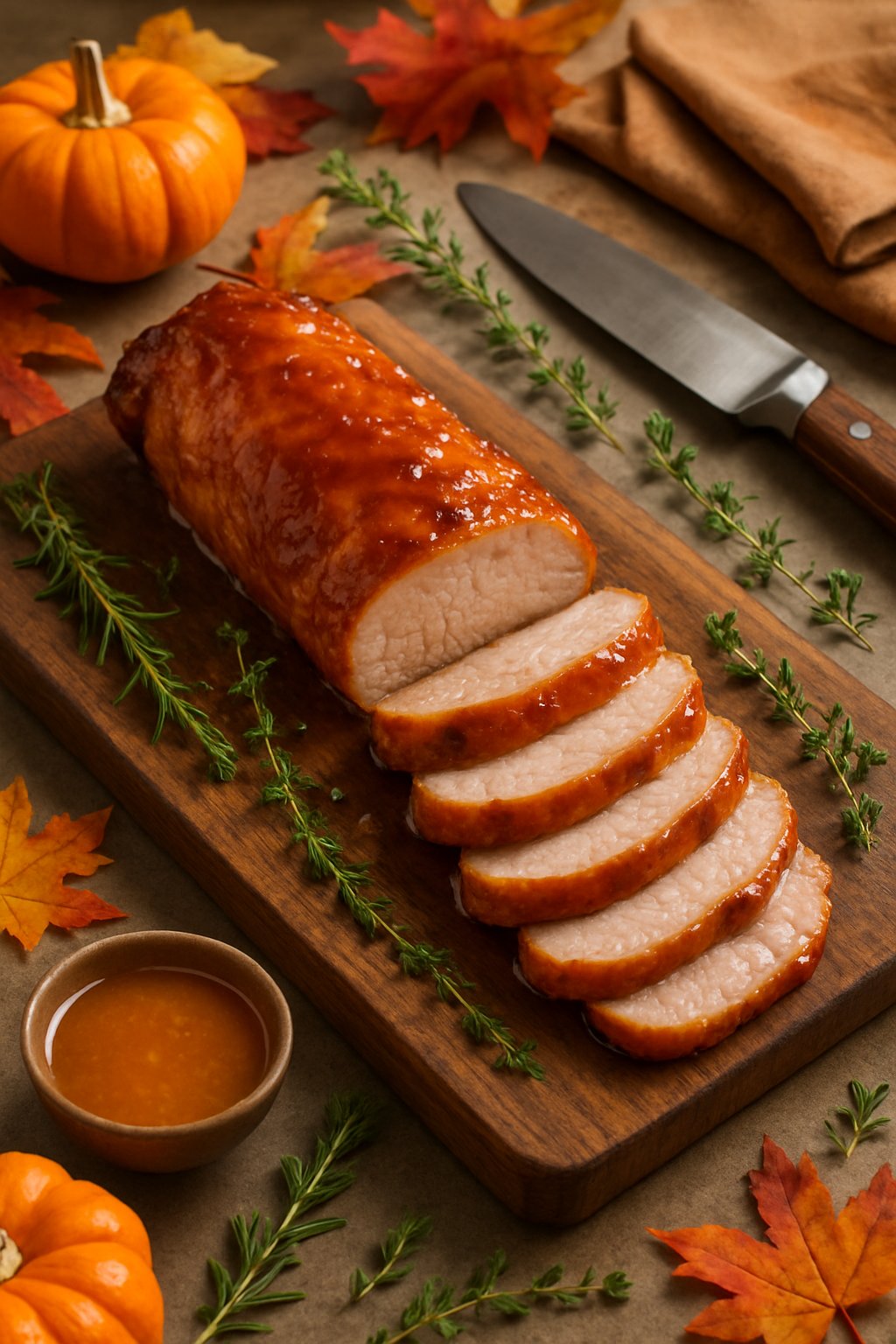
You don’t need a restaurant kitchen to make this pork tenderloin, but a few tools help. Start with a sharp chef’s knife.
If you don’t have one, now’s a great time to “borrow” from your neighbor!
A cutting board is helpful for chopping and slicing. Just don’t use the one you sacrificed to craft night.
A roasting pan or baking dish is essential. If you only own a baking sheet, line it with foil and pretend it’s fancy.
You’ll need a meat thermometer. It might feel over-the-top, but guessing when pork is done is as risky as eating gas station sushi.
A small saucepan will make the orange glaze. Resist the urge to use your coffee mug on the stove.
Have a mixing spoon (wooden or silicone) ready for stirring the glaze. Forks are for eating, not for mixing—you’re classier than that.
Here’s a quick equipment checklist to save you from mid-recipe panic:
| Equipment | What It’s For |
|---|---|
| Chef’s knife | Slicing pork |
| Cutting board | Protecting countertops |
| Roasting pan/dish | Cooking the tenderloin |
| Meat thermometer | Perfect doneness |
| Small saucepan | Making the glaze |
| Mixing spoon | Stirring matters |
And finally, have some aluminum foil handy for resting the meat. Grandmas everywhere agree—foil is the real secret to juicy pork.
Ingredients
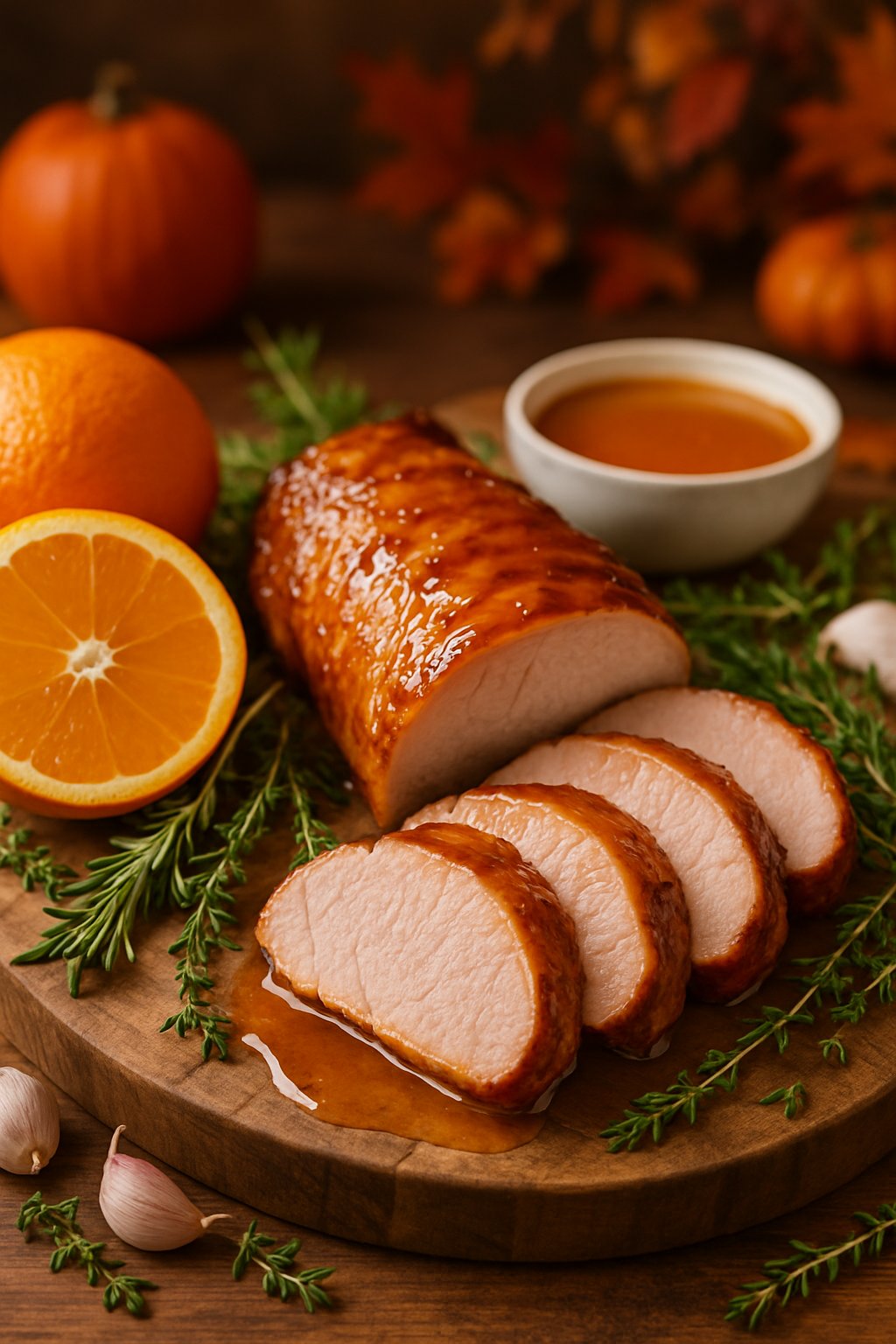
Get your stretchy pants ready, because you’re about to make a Thanksgiving meal to remember. For this orange glazed pork tenderloin, you won’t need a shopping cart the size of a minivan, but you will need a few key things.
Here’s your power-packed, flavor-loaded ingredient lineup:
| Ingredient | Amount |
|---|---|
| Pork tenderloin | 2 pounds |
| Orange juice | 1/2 cup |
| Orange marmalade | 1/3 cup |
| Soy sauce | 2 tablespoons |
| Fresh rosemary (chopped) | 1 tablespoon |
| Garlic (minced) | 2 cloves |
| Olive oil | 1 tablespoon |
| Honey or brown sugar | 2 tablespoons |
| Salt | 1/2 teaspoon |
| Black pepper | 1/4 teaspoon |
You might already have some of these in your kitchen, especially if your spice rack is more packed than your sock drawer.
Feel free to swap honey for brown sugar if your sweet tooth demands it. Don’t be shy with the orange marmalade, either—it’s the secret star of this recipe.
Garlic and rosemary bring bold, cozy flavors. If you like a bolder taste, add a little extra rosemary.
Salt and pepper are here to keep things classic, and olive oil makes everything sizzle just right. Remember, you’re the chef—taste and adjust as you go!
Instructions
- Preheat your oven to 400°F. You want it hot enough to roast but not hot enough to scare your smoke alarm.
- Pat the pork tenderloin dry. This will help it brown nicely. If it squeals, you have purchased the wrong meat.
- In a skillet, heat a little oil over medium-high heat. Sear the pork on all sides until golden. Pretend you’re on a cooking show — nobody’s judging.
- Remove the pork and set it aside. In the same skillet, pour in your orange juice, marmalade, soy sauce, garlic, and rosemary. Stir it around and let it bubble for a minute.
- Brush the pork with your orange glaze, feeling as fancy as possible. Try not to eat it raw. Place the pork on a baking sheet.
- Roast in the oven for 18-20 minutes. If your oven light works, you can stare at it lovingly, but don’t open the door too much.
- Check the internal temperature. You want it at 145°F. If you don’t have a thermometer, poke it and see if it looks done. (Not recommended, but you do you.)
- Rest the pork for at least five minutes. This is a good time to brag to anyone nearby about your culinary skills.
- Slice the pork and drizzle extra glaze over the top. Serve with your favorite Thanksgiving sides or just eat with your hands—nobody’s watching.
What You Need To Know
First off, you don’t need to be a pro chef or have endless patience. If you can measure, stir, and avoid burning yourself, you’re already ahead of the game.
This recipe is all about big flavor with minimal hassle. You only need a handful of pantry staples, and the cleanup is pretty painless—think sticky spoons and one bowl, not a mountain of dishes.
Most of the magic happens in the oven. The hardest part? Not eating half the pork before it ever hits the table. (Good luck with that.)
Honestly, if you’re tired of turkey or just want to shake things up, this is the main dish that’ll make folks rethink their Thanksgiving traditions.
For more fun details and easy steps, check out this orange-glazed pork tenderloin guide or this quick prep oven-roasted version.
Frequently Asked Questions
Making Thanksgiving orange glazed pork tenderloin can bring up a lot of questions, from how to keep that glaze glued on to which wine can safely sit at your table. Your pork doesn’t need to be a chew toy, and nobody wants clumpy herbs anywhere except on bad pizza.
What’s the secret to getting that perfect zesty orange glaze not to slide off the pork like a bad toupee?
After you brush on the glaze, let the first coat bake for a few minutes before slathering on another round. This helps it set up and stick.
If your pork is too wet, the glaze will run off—dry it with a paper towel first so it stays in place like it belongs.
At what temperature does the pork tenderloin throw in the towel and admit it’s done?
Your pork tenderloin should reach an internal temperature of 145°F. This isn’t just a suggestion—it’s your best bet for juicy, safe-to-eat meat that’s not impersonating jerky.
Use a meat thermometer and avoid guesswork.
Can I make the orange glaze ahead of time, or is it a diva that demands a last-minute spotlight?
You can absolutely make the glaze ahead of time and store it in the fridge for up to 3 days. Just heat it up gently before you use it and it will perform its sticky, shiny magic with no drama.
You can see similar advice in orange pork tenderloin recipes like this orange-balsamic glaze.
How do I dodge making my tenderloin as tough as a two-dollar steak?
Don’t overcook your tenderloin. Pull it from the oven right at 145°F, then let it rest for a few minutes so the juices don’t run for the hills.
Slicing before resting? That’s a shortcut to shoe leather, trust me.
What voodoo do I need to keep the herbs from clumping on the tenderloin like party guests around the guacamole?
Mix your chopped herbs with a little oil before you sprinkle them over the tenderloin. The oil helps the herbs spread out and actually stick, so you won’t end up with flavor hot spots or sad, bare patches.
Is it a culinary crime to pair this dish with a wine that doesn’t have a hint of orange whisper in it?
Honestly, nobody’s going to fine you for skipping the orange notes in your wine. Pork tenderloin with a bright glaze works well with Chardonnay, Pinot Noir, or even a crisp rosé.
In the end, just pick what you like. The wine bottle isn’t judging—promise.
